
Intro
A well-designed digital employee onboarding program shortens the time it takes for your employees to become effective and productive.
While employee onboarding simply refers to the process of integrating new hires into your company and providing them with the resources and tools they need to succeed. With digital onboarding, you do this entire process online, using tools such as intranet to help you integrate employees into your company’s workflow.
However, having a smooth onboarding process is easier said than done. That’s why today, we’ll help guide you through this process.
What is digital onboarding?
Digital onboarding is the process of integrating your new employees into the company using various digital tools and platforms. Instead of using manual processes and on-site meetings, you’re using technology to make your new employees’ transition to their jobs as smooth as possible.
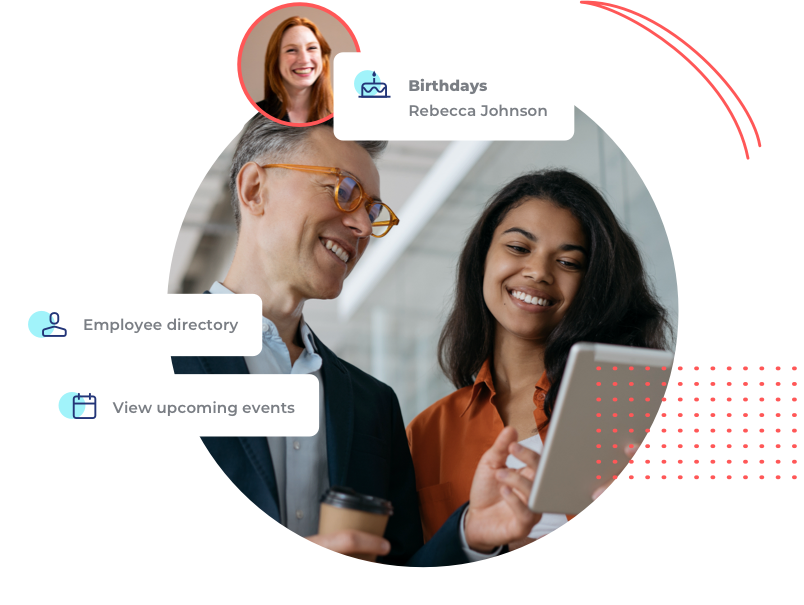
Now, when you onboard a hire on-site, you can show them around the office, introduce them to their colleagues in person, and have lunch with them. However, with remote or geographically dispersed teams, you can also do this digitally with some help from the intranet. For example, feature them on the home page under the new hire widget and have them meet their co-workers through the employee directory – employee profiles at IC also feature fun facts like first jobs.
How does it work?
Here’s what a regular digital onboarding would look like:
- Pre-boarding. Even before their first day, you should already prepare material in advance and send the employee some guidelines. A welcome email does wonders here, providing access to all the necessary tools they will use.
- Workflows. These are your best friends when it comes to onboarding. Automated workflows ensure that the employees take all the necessary steps to get accustomed to the company and that they do so in order. From access to systems to equipment delivery to orientation meetings— automated workflows can do all of this for you.
- Department Site. Department sites enable your new employee to do their job properly from Day 1. It functions as a central hub for team specific information such as quick links to playbooks (sales), customer assets (marketing) or organization policies (HR). So rather than searching the entire intranet, your new hire knows exactly where to go.
- Training and development. Nobody is 100% aligned with the company’s values and objectives when they come in on Day 1. The company will have to invest in training and development of the person so that they get aligned with everything the company’s doing. A great way to help your new employees get on board with company objectives (or reinforce them in current employees) is through messaging on the intranet.
- Feedback. Onboarding isn’t only Day 1 or Week 1 and that’s it— it’s an ongoing process that lasts until the employee is autonomously working at their full capacity. According to Gallup, it can take an employee 12-15 months to become fully productive (known as the “time to productivity” metric). So keep improving and iterating your process because you want to shorten the time to productivity as much as possible.
Benefits of using digital onboarding
Implementing digital onboarding through an intranet offers several key benefits:
- Reduced Manual Processes. Bye-bye manual processes; hello automation. The point of manual tasks in the digital onboarding process is to keep only those tasks that actively require a person on the other side to function. Otherwise, you can automate the processes. Things like document submission, approvals, and system access requests should be automated and you can do so with digital onboarding.
- Streamlined Approvals and Compliance. An employee onboarding checklist brings together all the required onboarding steps into a single document for your new employees’ first day. The best part? Once they complete the checklist, it can be automatically sent to their manager for approval.
- Improved Employee Engagement. Employees love digital onboarding! It’s faster, easier, and native to the new generations. Just make sure that you include social introductions and access to employee networks for the new employees— they want to feel that they’re part of the team as soon as possible.
- Consistent Experience for All Hires. Standardization, standardization, standardization. With digital onboarding, you can have a consistent employee experience for all people who come to work for your organization. Standards create consistency and consistency breeds excellence.
- Access to Resources Anytime, Anywhere. Having a global workforce means that some of your new employees from different time zones will go through your training models at 3 am your time. This is expected in a global workplace, and digital onboarding allows your employees to access resources anytime and anywhere.
- No paperwork. Digital onboarding is digital— that means no paperwork, no sending documents or visiting the branch. Everything needs to be done completely digitally.
Conclusion
Slowly but surely, digital onboarding is becoming the norm and companies will have to adapt to it. That doesn’t necessarily mean sacrificing additional personal touches to an onboarding journey. Discover how to balance personal touch and technology with our free webinar on employee onboarding here.